The global financial landscape has shifted dramatically as we enter the first full trading week of February 2026. This Market volatility analysis February 2026 breaks down the unprecedented price movements across commodities and digital assets. From the historic 17% drawdown in gold prices to the recalibration of Federal Reserve expectations, traders are facing a “perfect storm” of fundamental catalysts that are redefining risk appetite globally.

The Warsh Effect: A New Direction for the Fed
The primary driver behind the current Market volatility analysis February 2026 is the nomination of Kevin Warsh as the next Chair of the Federal Reserve. Unlike his predecessors, Warsh is perceived by the market as significantly less “dovish,” leading to an immediate repricing of interest rate trajectories. This nomination triggered the steepest decline in precious metals since 1980, as the US Dollar surged in anticipation of a more restrictive monetary policy.
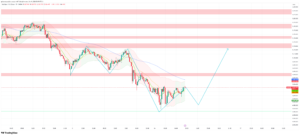
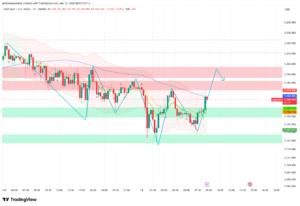
For gold, which established record highs at $5,596 just last week, the impact was catastrophic. The “safe-haven” narrative was momentarily overshadowed by a spike in Treasury yields, causing a massive liquidation event. This fundamental shift is not just a localized correction but a signal that the “easy money” era may be facing its most significant challenge yet.
Manufacturing PMI: The Next Volatility Trigger
As the market digests the Fed news, all eyes are now on the upcoming ISM Manufacturing PMI data. Our Market volatility analysis February 2026 suggests that this report will be the decisive factor for the mid-week trend. Current forecasts suggest a reading of 51.9, indicating a slight expansion in the industrial sector. However, the sub-indexes, particularly “Prices Paid,” are what could truly rattle the markets.
If the PMI shows persistent inflationary pressures alongside growth, the Federal Reserve under its new potential leadership may feel emboldened to keep rates higher for longer. Conversely, a miss in the PMI data could provide the much-needed relief bounce for Bitcoin and Gold, which are currently trading near major technical support zones. The correlation between industrial health and risk-asset performance has never been tighter.
Bitcoin and Crypto: Trapped in Extreme Fear
While gold faces a structural crash, the cryptocurrency market remains mired in a prolonged correction phase. The Market volatility analysis February 2026 notes that the Fear and Greed Index has settled firmly in the “Extreme Fear” zone. Bitcoin traders are closely watching the $76,000 support level, which has become a psychological line in the sand. The lack of liquidity, combined with the rising US Dollar, has prevented a meaningful recovery despite the historic volatility in traditional commodities.
Furthermore, the Bank of Japan’s (BOJ) “Summary of Opinions” released earlier today suggests that Japanese policy risk is adding another layer of complexity. With Japanese bond yields rising, global liquidity is being sucked out of speculative assets. For Bitcoin to reclaim its bullish momentum, it needs a softening of the DXY or a stabilization in the global bond markets, neither of which seems imminent according to the current 4H and 1H structures.
Key Events to Watch This Week
To navigate this Market volatility analysis February 2026, traders must keep the following high-impact events on their radar:
- US Manufacturing PMI (Today): Forecast 51.9. A beat strengthens the USD; a miss helps Gold/BTC.
- RBA Interest Rate Decision (Tuesday): Markets expect a hike to 3.85% due to persistent inflation.
- BoE and ECB Decisions (Thursday): Both central banks are expected to pause, but guidance on Q2 cuts will be vital.
- US Non-Farm Payrolls (Friday): The ultimate labor market health check that will confirm the Fed’s next move.
Strategic Conclusion: Adapting to the New Macro
In conclusion, the Market volatility analysis February 2026 indicates that we have moved from a sentiment-driven market to a macro-driven one. The “parabolic rally” in gold has met its match in a hardening Federal Reserve stance. For investors, the strategy must pivot from aggressive growth to capital preservation until the current wave of liquidations reaches a definitive bottom.
The convergence of the Kevin Warsh nomination and the PMI data suggests that “volatility is the new normal.” Whether you are scalping the 5M gold charts or holding long-term Bitcoin positions, the importance of macro-economic awareness cannot be overstated. We are witnessing the birth of a new market cycle—one that favors the patient and the well-informed.
Stay tuned to Gold Compass Daily for real-time updates as the London and New York sessions react to the opening bell and the first wave of February’s economic data.

Written by T. S. Gospodinov
T. S. Gospodinov is an Independent gold market analyst focused on liquidity structures and macro-driven price cycles.